A business expense can become a lease, basis, capitalization, or related-party problem when the owner also owns the property.
The Question Sounds Simple
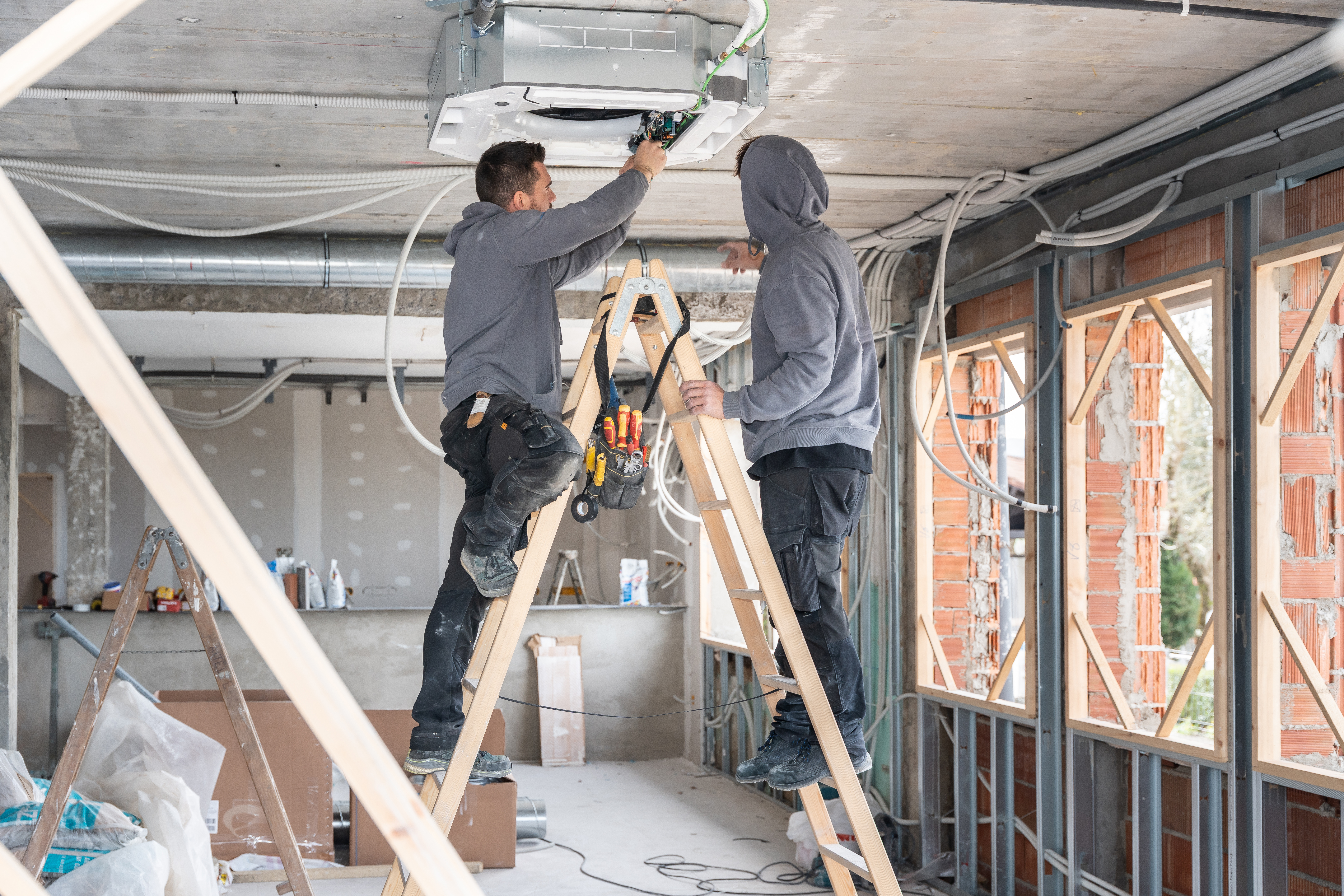
A business owner wants to move operations into a shop located on personally owned property. The company needs concrete, lighting, electrical work, and other improvements. The owner asks: “Can the business pay for it and deduct it?”
The answer is not just yes or no. The result depends on who owns the property, whether there is a lease, who owns the improvements, how long they last, and whether the payment is rent, a leasehold improvement, a distribution, or something else.
The Bookkeeping Label Does Not Decide the Tax Treatment
I see owners ask whether the company can “just expense” concrete, lights, or electrical work in a personally owned shop. Calling the check repairs in QuickBooks does not answer who owns the improvement or whether the cost created a long-lived asset.
What I would check next is the lease, the property owner, the expected life of the work, whether the improvement stays with the building, and how rent is being set. Get that straight before the contractor is paid. Fixing two sets of books and an undocumented related-party arrangement later is needlessly expensive.
Why Informal Treatment Creates Trouble
If the company writes checks for permanent improvements to the owner’s building without a written arrangement, the books may call everything “repairs.” That does not make the costs currently deductible. Improvements that better, restore, or adapt property generally must be capitalized.
The related-party relationship also matters. Rent should be commercially supportable, and the owner may have rental income while the business has a deduction. Self-rental and passive-activity rules can affect how that income and loss are treated.
A Better Structure
Start with a written lease that states the space, term, rent, responsibility for improvements, insurance, maintenance, and what happens when the lease ends. Decide whether the owner or operating company will pay for each project. Then record the transaction consistently in both sets of books.
For example, if the operating company installs specialized equipment with a shorter useful life, the treatment may differ from pouring a permanent foundation that increases the value of the owner’s building.
Do Not Ignore the Economics
The owner should also consider liability protection, financing covenants, property tax, sales tax where relevant, future sale plans, and whether another entity owns the real estate. The tax deduction is one part of the structure, not the whole structure.
Practical Next Step
Before the business pays contractors, document ownership, lease terms, expected use, and who will own each improvement.
Planning improvements to a building you own personally? Book a Fit Call before the work starts — email info@neil.tax or call (541) 240-2933.
This is educational information, not tax or legal advice. Repairs, improvements, leases, related-party rent, depreciation, entity law, and passive-activity treatment depend on the facts and documents. Neil CPA · info@neil.tax · (541) 240-2933.